
HAWAII VACATION PACKING LIST: ESSENTIALS FOR YOUR FIRST TRIP TO THE ISLANDS
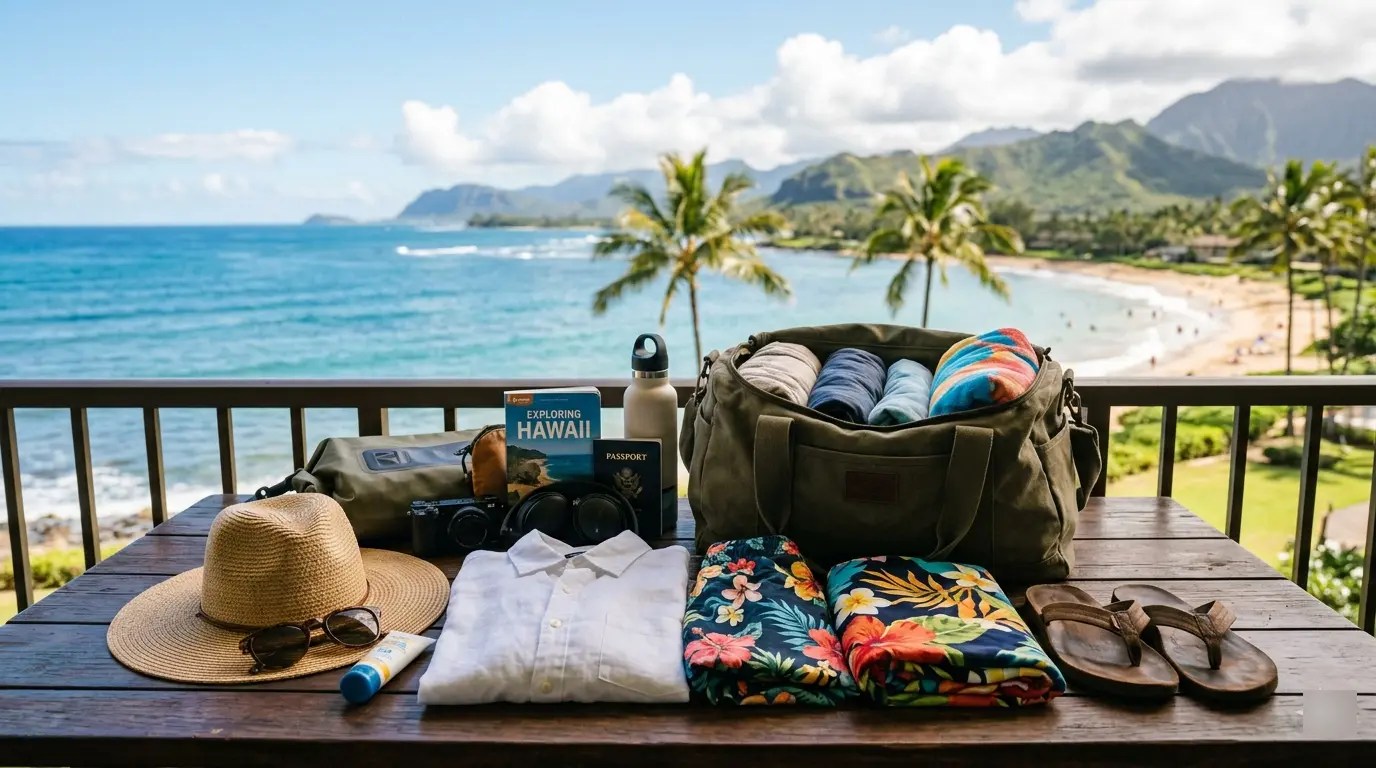
Packing for a trip to Hawaii is usually easier than packing for destinations with changing seasons, but just because the climate is tropical doesn’t mean it can’t surprise you. Contrary to popular belief, you can’t get away with only wearing shorts and tank tops, and the weather can vary drastically depending on the islands you visit. If this is your first time, this packing list covers the basics so you can arrive prepared without overpacking.
What to Know Before Packing for Hawaii
Hawaii’s laid-back atmosphere means you can often pack less than you would for other vacation destinations, but your itinerary should still guide your choices. Before you start filling your suitcase, learn about the islands’ varied microclimates and the types of activities you plan to enjoy.
Island Weather
Hawaii enjoys warm temperatures throughout the year, with daytime highs typically ranging from the mid-70s to mid-80s Fahrenheit. While beach areas are often sunny and warm, weather conditions can vary depending on elevation and location.
Temperatures in higher elevations, such as Haleakalā on Maui, Mauna Kea and Mauna Loa on the Big Island, or Oahu’s Mount Kaʻala and the Pali Lookout area, can be significantly cooler than at sea level. Brief rain showers are also common in some regions, particularly on the windward sides of the islands.
A light rain jacket or poncho can make these excursions more comfortable.
Casual Dress Codes
Hawaii is known for its relaxed approach to clothing. In most situations, you’ll fit in wearing shorts, lightweight shirts, sundresses, and sandals.
Unless you have reservations at a high-end restaurant or are attending a special event, there is usually no need to pack formal attire. Breathable, comfortable clothing is appropriate for most activities.
Activity-Based Packing
Make a list of your planned activities to ensure you pack accordingly and don’t bring unnecessary gear. If your Hawaii itinerary is mostly beach days and snorkeling, you’ll need different items than someone intending to hike volcanic trails.
Hawaii Packing List Essentials
You’ll need some essentials to ensure your trip is smooth and comfortable. Keep the following checklist handy as you pack:
Travel Documents
Keep all your travel documents organized. These include your identification, flight tickets, hotel bookings, rental car information, and travel insurance. Saving digital copies can be helpful, but make sure you can easily access the physical documents in case your phone runs out of battery or there’s no internet access.
Daypack
A lightweight daypack is useful for carrying daily essentials. Choose one with enough space for water, sunscreen, snacks, and any extra layers you may need. This is a convenient option if you plan to visit several locations throughout the day.
Reusable Water Bottle
Bringing or buying a reusable water bottle will help you stay hydrated in the warm, humid climate of the islands while reducing plastic waste. You can refill it at airports, hotels, supermarkets, public attractions, and other locations where water stations are available.
Reef-Safe Sunscreen
Strong UV exposure is common on the islands, even on cloudy days. Sunscreen should be one of the first things on your packing list for Hawaii.
The state restricts the sale of sunscreens containing the chemicals oxybenzone and octinoxate due to their harmful effects on coral reefs, so remember to buy reef-safe sunscreen before your trip.
Sunglasses and Hat
Participating in outdoor activities when it’s bright and sunny can be uncomfortable when you don’t have adequate eye and face protection. A quality pair of sunglasses will reduce glare and protect you from UV rays, while a cap or wide-brim hat will provide additional shade. These items make a noticeable difference during beach visits, walking tours, and boat excursions.
Phone Protection
A waterproof pouch or protective case can prevent water, sand, and humidity from damaging your phone. If you plan to use your phone extensively for navigation and taking photographs on snorkeling trips, boat tours, and visits to the beach, protection is absolutely essential.
Clothing to Pack for Hawaii
Prioritise comfort, breathability, and versatility when packing clothes for your trip to the Hawaiian islands. Lightweight fabrics will help you stay cool, while smart layering options ensure you can adapt to changes in weather conditions.
Lightweight Tops
Pack breathable tops made from cotton, linen, or moisture-wicking fabrics. These fabrics allow airflow and can help you remain comfortable in warm temperatures.
A lightweight cover-up or beach shirt makes it easy to transition from the beach to restaurants, shops, and other public areas. Short-sleeved shirts, tank tops, and casual blouses are suitable for most daytime activities, and more variety means you can create different outfits without overpacking.
Shorts and Pants
Shorts are a practical choice for much of your time in Hawaii. They work well for sightseeing, beach visits, and casual dining.
A lightweight pair of pants is also worth bringing, as they’ll provide additional comfort during cooler evenings, higher-elevation excursions, and flights between islands.
Swimwear
Many visitors spend a significant amount of time in or near the water. Pack at least two bathing suits so one can dry while you wear the other. This is particularly useful if you are planning several beach days and snorkeling tours during your stay.
Light Layers
Although Hawaii is warm year-round, you’ll likely need an extra layer for early mornings, mountain excursions, evening ocean breezes, and air-conditioned buildings. A lightweight hoodie or long-sleeved shirt usually provides enough warmth, and it won’t take up much space in your luggage either.
Dinner Outfits
Many restaurants and evening venues have a relaxed atmosphere, but you may still want a slightly dressier outfit for dinners or special occasions. For many travelers, a casual dress or collared shirt is sufficient. Make sure to choose comfortable clothing that works well in warm weather and allows you to enjoy a night out.
Footwear for Beaches, Hikes, and Tours
Many visitors spend their days walking, exploring natural attractions, and moving between beaches, towns, and outdoor activities. Instead of just packing multiple pairs of shoes, choose your footwear based on what you plan to do.
Sandals
Sandals are one of the most commonly worn types of footwear in Hawaii. Thin flip-flops are convenient for short trips to the beach, but make sure to choose a pair with good support for extended use.
Walking Shoes
You’ll spend a lot of time on your feet when exploring historic districts, shopping areas, botanical gardens, and scenic viewpoints. Comfortable walking shoes are essential for longer excursions. Lightweight athletic shoes are a good option, as they provide support and are breathable.
Water Shoes
Water shoes provide traction and protect your feet from sharp rocks and coral. They are not necessary for every traveler. Pack a pair if you plan to visit waterfalls, rocky beaches, tide pools, or areas with uneven underwater surfaces.
Hiking Footwear
Hawaii offers a striking variety of landscapes for hiking, ranging from flat oceanfront paths and rolling upcountry hills to lush rainforests and steep, challenging ridge climbs. Conditions can change quickly, and some trails become quite muddy after rain.
If hiking is part of your plans, make sure to pack footwear with good grip and support. Trail shoes or lightweight hiking shoes are often sufficient for many popular routes. More demanding hikes will require sturdier footwear, depending on the terrain and weather conditions.
Beach and Ocean Gear to Bring
Many vacations in Hawaii revolve around the ocean. Bring along these practical items so you can comfortably spend more time in the water and keep your things safe and organized:
Beach Bag
Look for a bag large enough to carry towels, sunscreen, water, snacks, and anything else you might need throughout the day. Bags made from mesh or quick-drying materials will allow sand to fall through more easily and dry faster after use.
Quick-Dry Towel
Quick-dry towels take up less space compared to regular beach towels, which makes them easier to carry during day trips and excursions. This can be especially useful if you’re visiting a lot of beaches, taking boat tours, or moving between islands.
Rash Guard
A rash guard provides additional protection from the sun while swimming, snorkeling, surfing, or participating in other water-based activities. The sunlight can be intense in Hawaii, and a rash guard saves you from having to constantly reapply sunscreen on covered areas. It can also help prevent skin irritation from prolonged exposure to saltwater and surfboards.
Snorkel Gear
While rental equipment is widely available, using gear that fits you properly improves the experience. If you have limited luggage space but want to bring your own gear for comfort and convenience, consider packing just a mask and snorkel instead of full snorkeling equipment.
Dry Bag
A dry bag will protect your phones, wallets, keys, and cameras from water exposure. Look for small dry bags; they are lightweight and won’t take up much room in your luggage.
What Not to Pack for Hawaii
Packing efficiently is just as important as remembering the essentials. Avoid unnecessary items so you can save space for things you actually need.
Heavy Jackets
Most areas of Hawaii remain warm throughout the year, making heavy winter jackets unnecessary for the majority of travelers. A lightweight jacket or sweater is usually sufficient for cooler evenings and higher-elevation excursions.
Formal Clothing
Unless you have a specific event planned, there’s no need to pack formal clothing. Smart-casual clothing is generally appropriate for evenings out.
Too Many Shoes
Shoes take up a significant amount of luggage space, so don’t pack multiple pairs for every situation. Bring versatile footwear options that suit your planned activities. A combination of sandals, walking shoes, and activity-specific footwear is usually enough.
Large Beach Gear
Bulky beach chairs, umbrellas, and oversized equipment are difficult to transport. Many local providers offer rentals and can drop off and pick up equipment from your condo or hotel.
If you are staying for five days or longer and plan to visit the beach frequently, you can buy cheap chairs and a cooler at a big-box store on day one and donate them before you leave.
Valuables
Leave expensive jewelry and other high-value items at home unless they are necessary for your trip. It reduces the risk of loss, theft, or accidental damage while traveling.
Frequently Asked Questions
What should I pack for a week in Hawaii?
Pack lightweight clothing, swimwear, comfortable footwear, sun protection, and a few versatile outfits for evenings. Focus on clothes that can be mixed and matched.
Do I need a jacket in Hawaii?
A heavy jacket is rarely needed. However, a light jacket, hoodie, or long-sleeve layer will be useful, as you’ll experience cooler temperatures at higher elevations and during early mornings.
Should I bring water shoes to Hawaii?
If you plan to visit rocky beaches, waterfalls, tide pools, or snorkeling locations with uneven entry points, then yes. They can provide extra comfort and protection even if you’re only at sandy beaches, but they are not necessary.
What should I not bring to Hawaii?
Do not bring heavy winter clothing, excessive footwear, large beach equipment, and any valuables that you do not need. Pack light so you can easily move between airports, accommodations, and activities.
Can I pack reef-safe sunscreen in my carry-on?
Yes, provided the container is 3.4 ounces (100 ml) or less. The TSA classifies sunscreen (lotion, cream, gel, or aerosol spray) as a liquid and regulates the size of the container, not the amount of product inside. If your sunscreen exceeds the permitted size for carry-on bags, place it in your checked luggage instead.