
WHAT TO BRING TO A WATERPARK: THE ULTIMATE CHECKLIST FOR ADULTS & KIDS
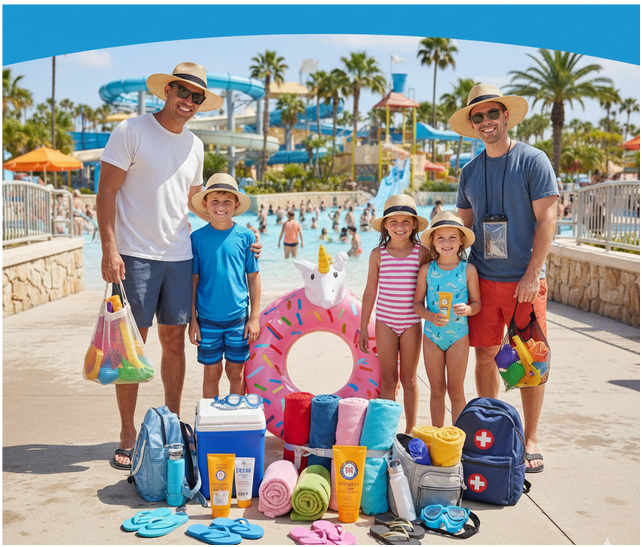
A day at the water park will provide you with thrilling water rides, cooling wave pools, and long-lasting memories with family and friends. However, the excitement can easily turn into frustration if one comes unprepared or forgets the necessary things.
Whether it is sun protection or safety equipment, it is always good to know exactly what to bring to a water park so you can spend less time worrying and more time enjoying every splash and slide. This detailed list covers all the requirements of both adults and children to make the water park experience safe, comfortable, and enjoyable.
Why Having a Waterpark Checklist Is Important
A visit to a water park should be exciting and not a stressful situation. Whether you are going to a local park or a resort destination, having a comprehensive checklist ensures a full day of fun.
Avoid Forgotten Essentials
A well-planned checklist will avoid such uncomfortable experiences, like finding out that sunscreen, swim diapers, or a reusable water bottle were forgotten. Essential planning will help you avoid spending a lot of money on purchases at the park’s gift shop and provide all family members with the needed essentials.
Make Your Waterpark Day Stress-Free
By having a clear idea of what to bring to a water park, you can eliminate morning panic. A proper, detailed checklist will help to pack efficiently the night before.
Stay Comfortable, Safe, and Prepared
Water parks have unique challenges, such as sunlight exposure to possible bumps and scrapes. A checklist ensures that there is sun protection, a first aid kit, and comfort items, which would ensure the safety of everyone throughout the day.
Waterpark Essentials for Everyone
Here are the basic needs that all visitors of the water park need, irrespective of their age.
Swimwear & Clothing
Start with the basics: a swimsuit plus a backup, a swim cover-up or lightweight clothes to walk to the next ride, and a dry change of clothes to get home. Underwear and socks are also not to be disregarded, as they are often forgotten but are very much needed after a water park adventure.
Sun Protection Must-Haves
Summer sunlight can be intense, and therefore, sun protection is essential in any water park. Carry a waterproof sunscreen with a minimum SPF of 30 and reapply after every two hours, especially after water rides. During the breaks, a wide-brimmed hat or baseball cap offers protection to the face, and a pair of sunglasses with UV protection to the eyes against reflective water surfaces. In addition, keep lip balm with SPF in mind since lips can be burned easily.
Footwear for Waterparks
Water shoes are the most suitable for having the best grip on wet pavement and protecting feet against hot pavement. Flip flops may also work well as long as they have non-slip soles. Strapped sandals are also safe during more active moments, but need to be waterproof. Label all footwear with a permanent marker to avoid confusion in the busy water parks.
What to Bring to a Waterpark for Adults
Adults also have special needs beyond the normal water park needs, such as keeping their valuables safe or ensuring comfort during a prolonged day of activities.
Personal Items & Comfort
Pack 2-3 big beach towels per person to dry and relax on. A waterproof bag protects phones, wallets, and other valuables against damage from water. Bring cash and ID for locker rentals and purchases, and have a light backpack so that you can have your hands free for water rides.
Tech & Valuables
A waterproof phone case allows one to capture photographs without compromising the device’s damage. Keep a portable charger to keep the devices charged during the day. You can also bring an action camera, like a GoPro, to capture the best moments on the water slide, and a locker key holder or wristband to ensure that you do not lose the key.
Health & Convenience
Keep prescription drugs in a bag that is waterproof and clearly labeled. Carry contact lens solution and a case if needed, hair ties and headbands to keep the hair in place, and personal hygiene items to stay fresh throughout the day in warm weather.
What to Bring to a Waterpark With Kids
Taking children to a water park requires further planning to make sure that they are safe, comfortable, and entertained throughout the day.
Baby & Toddler Essentials
Babies and toddlers must wear swim diapers at every water park – bring a spare because when they get wet, they don’t last long. Apply baby sunscreen with a mineral base to provide mild protection, and cover baby infants with rash guards or sun protective swimsuits to provide extra UV coverage. Bring a changing pad, baby wipes, and think about a stroller when the water park allows it.
Kids’ Swim & Safety Gear
Life jackets and swim goggles allow children to have fun in the water and protect their eyes from chlorine. Earplugs or nose plugs will help in avoiding the discomfort caused by water.
Comfort & Backup Items
Children get wet and dirty faster than adults, and therefore carry several swimsuits and changes of clothes. Carry snacks like fruit, granola bars, and crackers in waterproof jars to save money and to accommodate the picky eaters. A small toy or blanket that is a favourite helps in rest intervals. To be on the safe side, make sure that you write your phone number on a waterproof bracelet or even inside their swimsuit.
What You Should Bring to a Waterpark for a Full Day
Long visits to water parks require strategic planning to ensure that no one gets disorganized, dehydrated, or demotivated throughout the day.
Storage & Organization
Locker rental is available in most water parks, and this gives the value of security of valuables-budget accordingly. Store wet and dry items in plastic bags or zip-lock bags, and store the belongings of each member of the family. A mesh bag is good for wet swimsuits, towels, and it allows airing of the garments during transportation. Wet, dirty clothes should be kept in a laundry bag until you return home.
Food & Hydration Planning
Keeping hydrated is important when having an active day at a water park, especially in warm weather. Every person is supposed to come with a water bottle that can be reused because most of the water parks have refilling stations; this is cost-effective and environmentally friendly. In case one opts to bring along outside food, then an insulated cooler bag must be packed that will maintain a safe temperature for perishable items. Snacks like trail mix, protein bars, and dried fruit provide between-meal energy and are less expensive than buying concessions at the water park. Bringing an electrolyte drink or packets to replace the minerals lost in the process of sweating and swimming is also a consideration. It is always important to check the policy of the water park about taking outside food before carrying lunch.
| Item Category | Essential Items | Priority |
| Sun Protection | Waterproof sunscreen, hat, sunglasses | Must Have |
| Hydration | Reusable water bottle for each person | Must Have |
| Footwear | Water shoes or flip flops | Must Have |
| Safety | Life jackets, first aid kit | Must Have |
| Protection | Waterproof bag, waterproof pouches, waterproof phone pouch | Recommended |
| Snacks | Own snacks, fruit snacks, protein bars | Recommended |
Pro Tip: Be there early to get good locker rooms in close proximity to popular water rides and the wave pool. The first hour of operation also has shorter queues in the major attractions.
Conclusion
Being aware of what to carry to a water park will turn a possibly stressful experience into a memorable adventure. This is a detailed list of everything that should be included in the sun protection and water shoes, including specific products that should be added to the list for babies, toddlers, and adults. Properly packed with reusable water bottles, waterproof bags, life jackets, and a properly filled first aid kit, you will be certain that all the participants will be safe, comfortable, and prepared to act. It is worth remembering that various water parks will have different policies with regard to outside food and flotation devices, so it is always important to check the exact policy before visiting. By being well prepared, you will enjoy yourself to the fullest at any water park and create memorable moments with friends and family.
Frequently Asked Questions (FAQs)
What items are not allowed at waterparks?
Water parks do not allow glass containers, alcohol, weapons, or external flotation devices that are not of the safety standard. Professional photography tools are also limited by many. See the website of the particular water park to get the full list of prohibited items.
Can I bring food to a waterpark?
There are differences in policies across water parks. Some allow outside foods and sealed beverages, whereas others permit little snacks, including fruit snacks and granola bars in plastic bags. Most of them have picnic spots at the main entrance. Get in touch with the water park to find out whether it has a policy on external food.
How can I keep my belongings safe at a waterpark?
The best choice is to rent a locker. Keep the valuables in a locker with a waterproof bag. A waterproof pouch or a waterproof phone pocket can be used to store things that are required throughout the day. One should not carry unnecessary valuables to the water park.
What should I bring for toddlers or infants?
The necessary supplies will be swim diapers, baby sunscreen (SPF 50+), rash guards, life jackets of the right size, baby wipes, changing pad, and additional swimsuits. Bring your own snacks depending on their age, and bring comfort things like favorite toys or blankets for rest periods.
How early should I arrive at a waterpark?
Get there 30-45 minutes before opening time so as to get a parking spot, rent lockers close to water rides or the wave pool, and avoid congestion in the more popular attractions. The early arrival is especially important during the peak season in summer, holidays, and weekends when there is the possibility of water parks being overcrowded.