
THE ULTIMATE GUIDE TO TREKKING IN HAWAII: TRAILS, SAFETY TIPS, AND WHAT TO EXPECT
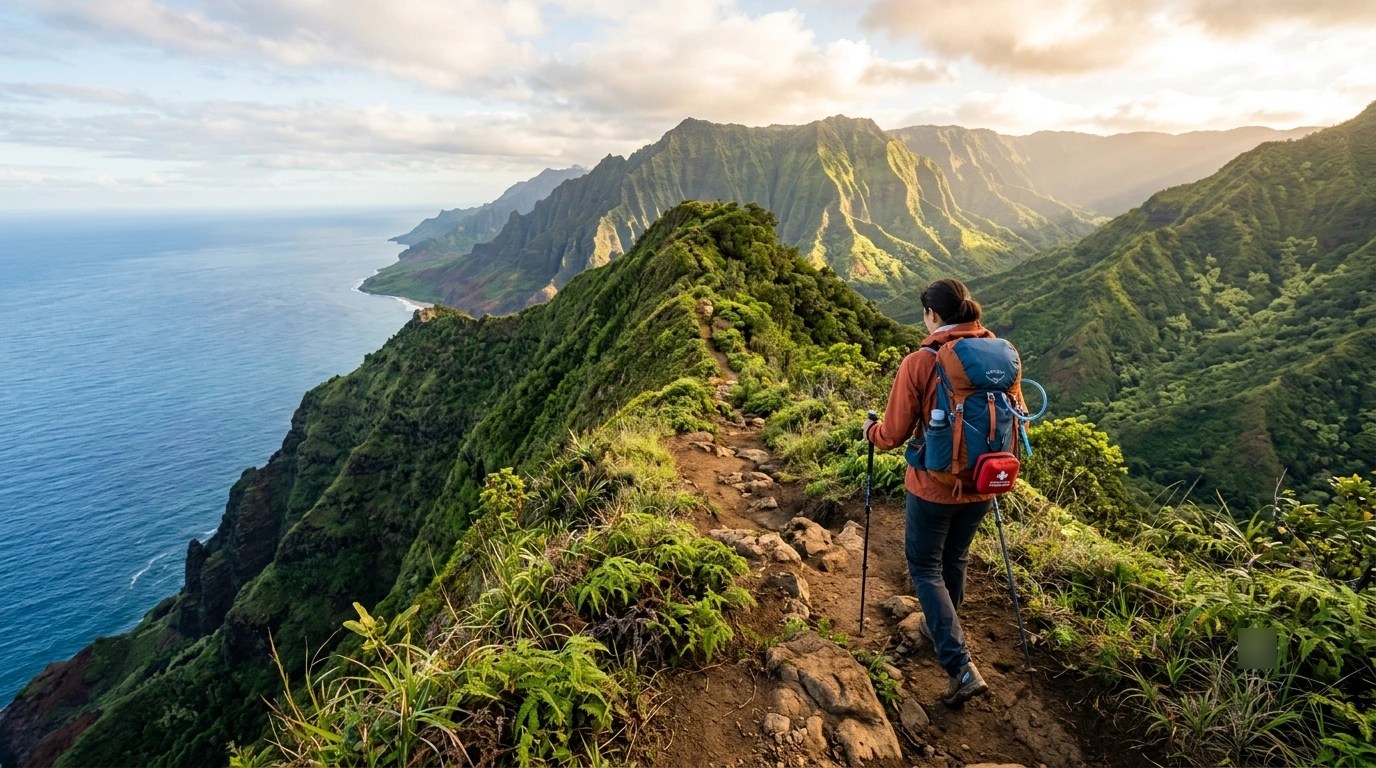
Everyone is familiar with Hawaii’s famous resorts and postcard-perfect beaches. But could there be something more interesting if you look past the typical sightseeing spots? If you talk to those who have explored this place on foot, they’ll tell you there’s more to explore and experience across Hawaii than anyone could have imagined when they first decided to visit this region.
An incredible network of trails goes through rainforests, volcanic lands, valleys, mountain ridges, and natural scenery. There’s a sense of discovery on these routes that trekking enthusiasts love, and many of them keep coming back for more year after year. Seeing Hawaii on foot is a magical experience, and the popularity of trekking in Hawaii is growing for a very specific reason. Every island offers something entirely different, so people have a unique story to narrate after every adventure.
What Is Trekking in Hawaii?
When you go trekking in Hawaii and reach a ridge to look out across the ocean, you’ll end up pausing for a bit to take in the wondrous scene. The views are almost unreal, and no amount of research can prepare you for them. The scenery is only one part of trekking here; what excites people more is the exploration that follows. Before planning your adventure, learning what trekking in Hawaii means can help a lot.
Hiking vs. Trekking
The biggest differences between hiking and trekking are based on:
- The time each activity takes (trekking takes more time than hiking)
- The distance people cover during these adventures (treks are longer)
- The preparation involved (trekking requires more preparation)
- The challenges posed by the terrain (the terrain is usually more rugged while trekking)
That’s why hiking and trekking cannot be used interchangeably, at least not in Hawaii.
Common Trail Terrain
Even on their morning walks, people love to experience new things. So, why should trekking in Hawaii be any different? If anything, most tourists want multiple adventures rolled into one when they go trekking in Hawaii.
Depending on where you go, you may see:
- Narrow mountain ridges
- Tropical rainforests
- Rocky coastal paths
- Volcanic lava fields
- Muddy jungle trails
- Steep valley descents
The land under your feet never feels the same on a trek, and this change keeps every trek in Hawaii interesting.
Best Islands and Trail Types for Hawaii Trekking
If you’re dreaming of epic treks, you’ll not be disappointed. Hawaii brings you unique experiences, and it’s hard to believe that the scenery changes so much from one island to another. Let’s look at some popular islands and trails in this section.
Oahu Ridge Trails
Oahu is known for its city life and beaches, so it’s easy to forget that this island has perfectly rugged terrains for adventure activities. Oahu’s ridge trails offer:
- Panoramic views
- Dramatic mountain scenery
- Challenging climbs
- Muddy ascents leading to incredible sunrise experiences
Kauai Rainforest Routes
Kauai is also called the Garden Isle, and the lush area tells you why that name is apt. On these routes, you can expect:
- Dense tropical vegetation
- Deep valleys
- Scenic waterfalls
- Vibrant natural scenery
- Frequent showers of rain
Maui Volcanic Terrain
Upon reading about Maui, you might expect dense rainforests on its trekking routes. But the Valley Isle’s terrain will surprise you, as you’ll frequently cross volcanic landscapes during this fascinating trek. Here are some highlights:
- Routes with high elevation
- Crater areas
- Unique geological features
- Expansive views at the summit
Hawaii Island Lava Fields
The forces that shaped this archipelago are visible at every step of this trek. Trekkers joyfully explore the following on this trail:
- Ancient lava flows
- Black-rock landscapes
- Coastal volcanic formations
- Unique ecosystems
Recommended Hawaii Trekking Trails by Experience Level
Trekking is for everyone. Yes, at least here in Hawaii, trekking is for everyone. You need not be an expert to enjoy the island’s incredible trails.
Beginner-Friendly Trails
Many routes in Hawaii are beginner-friendly, as they don’t demand special training or skills. Moderate fitness does the trick. Beginner-friendly routes have:
- Well-maintained paths
- Gentle elevations
- Proper trail markings
- Short distances
The Makapu’u Lighthouse Trail is perfect for beginners.
Moderate Day Hikes
Many tourists want a moderate hike as fewer skills and effort are required to complete such treks, but the reward is quite exceptional. The best thing about a moderate day hike is that they usually lead to:
- Quieter viewpoints
- Beautiful scenery
The Lanikai Pillbox Trail is a fairly moderate day hike.
Advanced Routes
If you’re on the lookout for a serious challenge, Hawaii is fully prepared to test your limits. Say goodbye to casual walks on light treks and hello to some gloriously raw and rugged terrains.
Here’s what you’ll find on such treks:
- Grueling routes with elevation gains
- Narrow, exposed ridgelines
- Technical footing
- Access to remote locations
The Kalalau Trail is a well-known long-haul trek that tests people’s endurance.
Guided Trek Options
Exploring unfamiliar places independently can feel intimidating sometimes. That’s why many tourist operators in Hawaii offer guided treks. Guided Hawaii trekking tours provide:
- Transportation assistance
- Safety guidance
- Cultural insights
Many operators offer authentic experiences, with their qualified staff offering local knowledge and route expertise that makes treks easier.
What to Expect on Hawaii Trails
Trails can be unpredictable, and determining how they work is essential before starting one. Here are some things to note:
Fast Weather Changes
The weather during a trek can change quite quickly, and this isn’t an exaggeration. Most people read about the weather in advisories, but don’t pay much attention to how serious the safety warnings about weather change are. Local microclimates and trade winds can bring about a quick change that can’t be easily handled at the last minute. That’s why packing essential gear is always a good idea, however boring it might seem at first.
Mud and Roots
Some Hawaiian trails can become extremely muddy, and photos on the internet won’t tell you just how muddy they are. After it rains, expect slippery paths, deep mud, uneven ground, and wet rocks, which can make the trek unbelievably tricky.
Heat and Humidity
Experienced hikers know how heat and humidity can impact a person physically during a trek. That’s why underestimating Hawaii’s climate can prove problematic, especially for first-time hikers. High humidity can lead to perspiration and dehydration. Carrying water and other essentials as recommended is crucial.
Safety Tips for Trekking in Hawaii
Preparing for a trek in Hawaii helps you avoid most major problems. A few things to remember are:
Check Trail Status
Checking the trail status involves researching (and verifying) the following:
- Weather updates
- Safety advisories
- Trail closures
- Maintenance notices
Start Early
Seasoned hikers will tell you all about the benefits of starting early. That’s because an early start means:
- Cooler temperatures
- Better lighting conditions
- Faster movement (as the trail is likely to be less crowded)
- Better handling of unexpected delays
Above all, watching the entire island around you slowly wake up and start their day is a great experience.
Pack Enough Water
Trekking without adequate water is like going to a potluck with an empty plate. Bring extra water to prevent dehydration. Also, some areas may not have potable water for refilling empty bottles.
Stay on Marked Trails
Shortcuts are exciting, but staying on marked trails is always safer than every other option. It also helps protect the environment. The trail is marked for a reason: everybody’s safety. After all, you don’t want to lose your way on an unknown route.
Avoid Flash Flood Areas
Flash flooding, a serious concern during trekking, happens frequently in Hawaii. Don’t ignore safety warnings about heavy rain, rising water levels, and stream crossings, among other things. Turning around due to bad weather may not be a thrilling proposition, but it’ll keep you safe.
What to Pack and Wear for Hawaii Trekking
What you pack and wear for trekking in Hawaii doesn’t guarantee a good trek. But it can make the experience safe and comfortable. Consider bringing the following gear/essentials:
Trail Footwear
Wear comfortable, durable footwear with strong traction. Ordinary sneakers in Hawaiian trails are a strict no.
Sun Protection
Sunscreen, sunglasses, a hat, and protective clothing are all required for effective sun protection.
Rain Gear
Lightweight rain jackets and waterproof pack covers are essential. Don’t forget to carry spare clothes.
Water and Snacks
Energy bars, electrolyte drinks, fruits, etc., are usually consumed quickly when energy feels low.
Navigation Basics
Relying on technology shouldn’t be your only plan. Download offline maps and gather basic navigation information from locals. A fully charged phone and backup battery packs are crucial.
Trekking Mistakes to Avoid in Hawaii
Most people make innocent mistakes when preparing for a trek. Some of them are:
Underestimating Distance
It’s easy to fall into the trap of “That doesn’t seem too far”. But tough trekking conditions can make even the shortest distances feel long. Weather changes, rest stops, photo opportunities, etc., increase the time spent at each point.
Ignoring Warning Signs
All the wisdom you need during trekking is right there; warning signs tell you everything about restricted access, closures, hazard alerts, etc.
Hiking After Rain
If it rains, it’s advisable to wait for the conditions to improve. Trekking on muddy slopes and slippery surfaces in reduced visibility conditions is an unnecessary risk.
Leaving the Trail
Curiosity is great, but on a trek in Hawaii, it can lead you into trouble. Don’t leave the marked trail, however tempting the alternate route seems.
Frequently Asked Questions
Are Hawaii hiking trails difficult?
Not all Hawaii hiking trails are difficult. Some are beginner-friendly, while others are more physically demanding.
What should I wear while trekking in Hawaii?
Consider wearing lightweight, breathable clothing while trekking in Hawaii.
What is the best time to hike in Hawaii?
The spring and fall seasons are considered the best times to hike in Hawaii.
Which Hawaiian island is best for trekking?
Individual preferences can help define the best island for trekking. Oahu has excellent ridge hikes, while Kauai has healthy, green plants along its trails.
Should I book a Hawaii trekking tour?
Yes, booking a Hawaii trekking tour is advisable for most visitors. Local experts can offer valuable insights and ensure tourist safety.