
SOLO TRAVEL IN HAWAII: PRACTICAL TIPS FOR A CONFIDENT ISLAND ADVENTURE
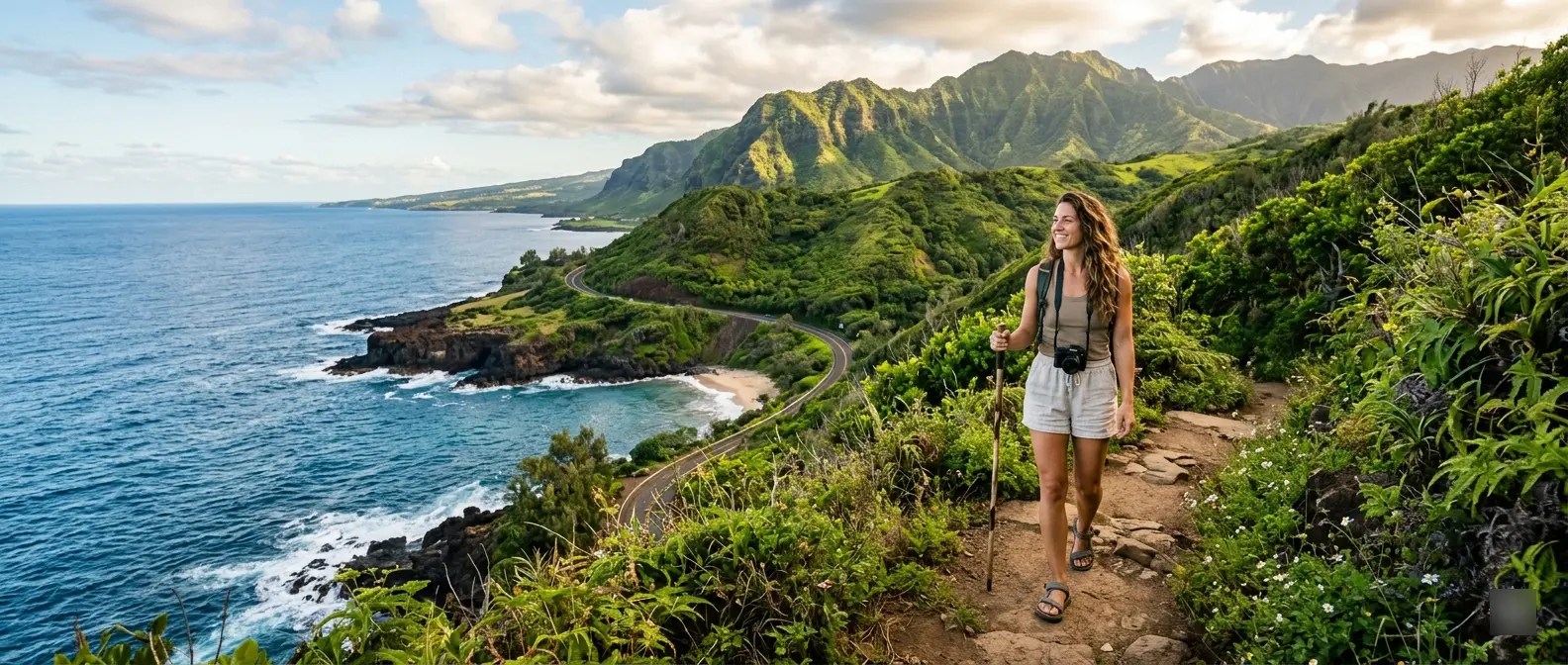
Solo travel is an amazing way to explore the world in your own way. You have unparalleled freedom to plan the trip as you like, eat the food your heart craves, and do things that you really want to do. There’s no need to accommodate someone else’s preferences in your itinerary. The trip is all about you and the time you want to spend in solitude.
And if there’s one destination that truly rewards that kind of freedom and flexibility, it’s Hawaii. With its beautiful palm fronds, picturesque volcanic peaks, and laid-back island rhythm, Hawaii offers solo travelers unique opportunities for natural isolation and deep personal rejuvenation. Keep reading for some helpful tips for planning an epic solo trip to Hawaii.
What Solo Travelers Should Know About Hawaii Before Booking
There’s a lot to consider when planning your first solo trip to the Hawaiian Islands. Understanding what each island offers, the logistics, and customs will help save you from budget pitfalls and plan a smoother trip.
Island Differences
The Hawaiian Islands are diverse. While Oahu is a lively place with a bustling city feel, Maui is more about luxurious resort stays with fun outdoor adventures. Kauai is again ideal for hiking, while the Big Island is perfect for exploring volcanic landscapes. So, decide whether you want to hike, explore beaches, experience vibrant nightlife, or indulge in cultural experiences to plan better.
Travel Costs
Hawaii is breathtakingly beautiful, but it’s not cheap. A week in Hawaii can cost anywhere from $2,500 to $10,000+ per person, depending on your flight, accommodation, food, car rental, and activity preferences.
Many solo travelers opt to travel during shoulder seasons, book condos early, and combine free activities such as hiking and beach visits with a few paid activities to balance their budgets. Renting a car can also be an added expense with daily parking and gas. You can use the local bus system or rideshares (Uber/Lyft) on Oahu to save some money.
Local Etiquette
Hawaiians value the “Aloha Spirit” and respect the land (‘aina). Note these rules before you embark on your dream vacation.
- Stay on marked trails and avoid touching or getting too close to endangered wildlife, such as Hawaiian monk seals and green sea turtles (honu).
- Use reef-safe sunscreen when swimming to protect fragile marine life.
- Follow local guidelines at beaches and sacred sites.
- Be respectful of the native Hawaiian culture, especially when participating in festivals like Maui’s East Maui Taro Festival and Kauai’s Mokihana Festival, or visiting places like Oahu’s Iolani Palace and Bishop Museum, the Big Island’s Waikoloa Petroglyph Preserve.
- Listen to the local guide’s warnings or instructions. If there’s signage warning at the beach or at the edge of a rocky cliff, don’t ignore it.
- Many hiking routes don’t support cell service. Download maps and avoid places locals advise against.
Best Hawaii Island for Solo Travel
When deciding on the best Hawaii island for solo travel, think about the experience you want, whether you want to lose yourself in the quiet beauty of nature or enjoy the bustling city energy.
Oahu
Oahu is often the safest choice for its urban convenience combined with remarkable coastal beauty. The world-famous Waikiki Beach is a stunning spot for meeting travelers, exploring joint activities, or simply watching the hustle and bustle of people from a beachfront cafe. If it’s your first Hawaii solo travel, Oahu’s accessible public transportation and infrastructure will make things easy to navigate.
You can also explore Downtown Honolulu for historical museums and landmarks like Pearl Harbor, spend an afternoon basking in the sun at Kailua Beach, or head to the famous North Shore to watch world-class surfers play with massive waves or book a beginner surf class. And if you are into driving, the Interstate H-3 is a stunning 15-mile scenic highway to drive through the lush Koʻolau Mountains.
Maui
Known as the “Valley Isle,” Maui perfectly balances adventure with relaxation. The island is popular for both group and solo trips for its diverse offerings. From luxurious resorts to the spectacular Hana Highway, also known as Road to Hana, and Haleakalā National Park, you can experience the true spirit of Hawaii and the mystic beauty of nature in the most abundant way possible.
Besides lava deserts, rugged ocean cliffs, white-sand beaches, and diverse ecosystems, Maui offers solo travelers plenty of opportunities to engage in group activities with other travelers. If you are visiting during the winter months, you cannot miss whale watching against the backdrop of the vast Pacific Ocean. The view is one of a kind and will stay with you forever.
Kauai
Kauai, or the “Garden Isle,” is perfect for solo travelers seeking tranquility in nature. Towering cliffs, the dramatic Nā Pali Coast, emerald valleys, and secluded beaches create landscapes that almost feel unreal. Hikers often compare Waimea Canyon to the Grand Canyon for its unbelievable color blends and scale.
The centuries-old tropical rainforests, forking rivers, and cascading waterfalls attract hundreds of independent-minded solo travelers who love the quiet and want to witness unforgettable natural beauty.
Kauai also offers a variety of outdoor activities. You can go kayaking in the Wailua River, snorkeling on Poʻipū Beach, hiking the trails of Kōkeʻe State Park, or ziplining above Kauaʻi’s lush valleys to truly enjoy the island’s laid-back atmosphere.
Hawaii Island
Also called the “Big Island,” Hawaii Island is home to active volcanoes in Hawaiʻi Volcanoes National Park, black sand beaches, and the snow-capped peak of Mauna Kea. You can hike black lava fields, chase towering waterfalls, and relax on tropical beaches.
Besides experiencing different climate zones from Wet Tropical to Polar Tundra, caused by the shielding effects of Maunakea and Maunaloa, the lush valleys of the Hilo and Hāmākua Coasts and the jet-black sands of Punaluʻu Beach will surpass all your expectations. You can explore Heiau, royal sanctuaries, and historic gardens, and participate in vibrant island experiences to enjoy Hawaii to the fullest.
How to Plan Transportation and Where to Stay
Hawaii is rewarding to those seeking geographical wonders and diverse landscapes. But how well you plan your transportation and accommodation can make your trip to Hawaii more enjoyable.
Airport Arrival
Once you arrive, don’t immediately rush into your itinerary. Take time to adjust, gather supplies, and get familiar with the new place. Many solo travelers book their first night’s stay close to the main tourist area for quicker access.
Rental Cars
Renting a car can improve your Hawaiian experience. You can visit more scenic viewpoints, trailheads, and remote beaches at your will. Driving on Maui and the Big Island will give you more time to explore and make memories.
Walkable Areas
Choosing to stay in highly walkable areas like Waikiki is especially suitable for anyone planning solo travel to Hawaii for the first time. Around Waikiki Beach, you will find tour operators, shops, restaurants, and public transportation within quick reach.
How to Stay Safe While Traveling Solo in Hawaii
Traveling alone can be thrilling, but it requires vigilant preparation and smart decision-making.
Ocean Safety
Strong rip currents, sudden shore breaks, and high surf can cause serious injuries. So, pay attention to the warning signs. Swim with lifeguards and always verify the surf and weather via the National Weather Service Honolulu. While snorkeling, do not touch the reef. Observe marine life and tropical fish from a distance to comply with local rules.
Hiking Safety
Lush rainforests and remote terrain limit cell service. Use the Hawaii Trails portal to research routes before hiking. Stay on marked trails and be prepared for weather changes. Carry plenty of water, a charged power bank, and download the offline map routes for safe hiking.
Personal Security
Avoid leaving valuables on car seats. Keep your identity documents safe in your hotel room. Stay aware of your surroundings and avoid walking alone in isolated areas after dark.
Emergency Planning
Share your itinerary and expected return time with your family or friends. Keep your emergency contact details handy. Locate nearby urgent care centers and dial 911 for official help during any form of emergency.
What to Pack for Solo Travel in Hawaii
Whether you want to spend a beach day or explore Hawaii Volcanoes National Park, the goal is to avoid unnecessary weight. So, make your daypack functional with the following items.
Daypack Essentials
- A reusable water bottle
- A phone charger
- A portable power bank
- Snacks
- Wallet
- Basic first-aid kit
- Durable footwear
- Safety alarm
- A small roll-top dry bag for car keys and gadgets
Sun Protection
- Reef-safe sunscreen with zinc oxide or titanium dioxide
- Polarized V-blocking sunglasses
- UPF-rated long-sleeved rash guards or sun shirts
- A wide-brimmed sun hat
Rain Layers
- A poncho or a lightweight rain jacket
- Synthetic or merino-wool layers
- A waterproof backpack cover
Frequently Asked Questions
Is Hawaii good for solo travel?
Yes, solo travel in Hawaii is popular for its top-notch infrastructure, exciting outdoor activities, off-the-beaten-path adventures, and welcoming communities.
What is the best Hawaii island for solo travel?
The best island for solo travel depends on priorities. Oahu is great for accessible logistics, organized tours, and vibrant social scenes. Maui is more laid-back, luxurious, and scenically diverse. Kauai is best for nature lovers and hikers, while the Big Island is wilder and geographically diverse.
Is Hawaii safe for solo female travelers?
Hawaii is mostly known for its low crime rate compared to other American states. However, solo female travelers are advised to take precautions and stay alert during solo and group activities.
Do I need a rental car for solo travel in Hawaii?
You don’t need a rental car if you are visiting Oahu, as public transit is easily accessible. However, exploring Maui, Kauai, and the Big Island becomes easier with personal transportation.
How many days do you need for a solo trip to Hawaii?
7 to 10 days are ideal for visiting a single island. You may need 14+ days to explore multiple islands without rushing.